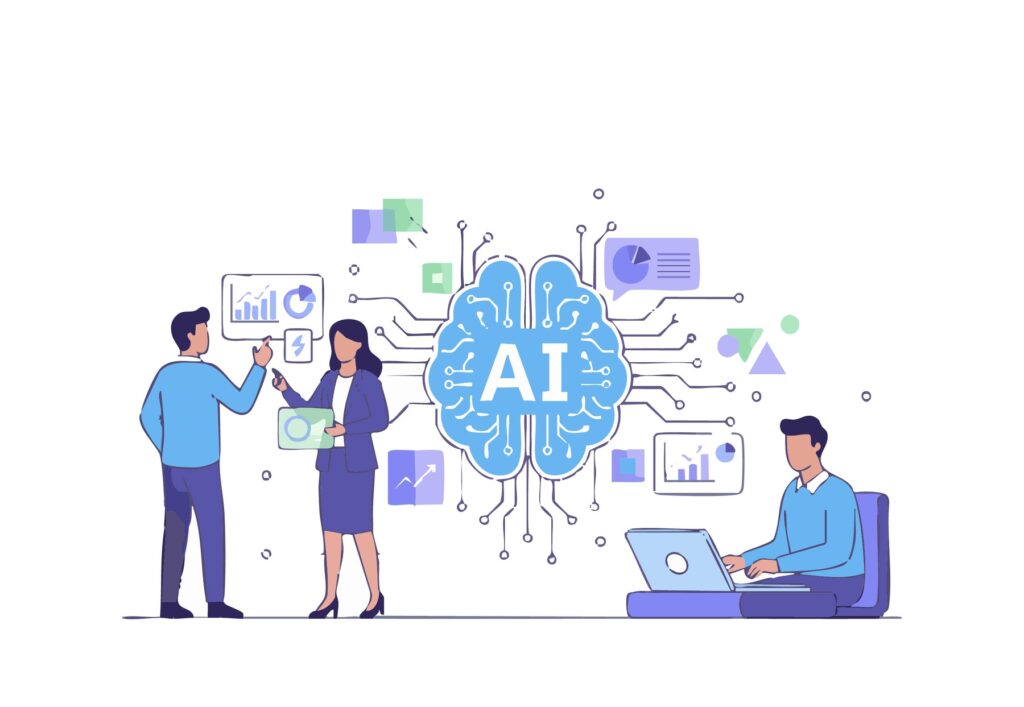

The integration of artificial intelligence (AI) into healthcare is transforming the industry at an unprecedented pace, reshaping how medical professionals diagnose, treat, and manage diseases. AI technologies, including machine learning algorithms, natural language processing, and computer vision, are increasingly being utilized to enhance patient outcomes and streamline healthcare delivery. This expanding role of AI in healthcare promises not only improved efficiency but also more personalized and accurate care.
One of the most significant impacts of AI in healthcare lies in diagnostics. Traditional diagnostic methods often rely heavily on human expertise and can be time-consuming or prone to error. AI-powered tools are now capable of analyzing vast amounts of medical data such as imaging scans, pathology reports, and genetic information with remarkable speed and precision. For instance, AI algorithms can detect abnormalities in radiology images that might be missed by the human eye, enabling early detection of conditions like cancer or cardiovascular diseases. This ability to provide rapid and accurate diagnoses helps clinicians make better-informed decisions while reducing diagnostic errors.
Beyond diagnostics, AI is revolutionizing treatment planning by offering personalized medicine approaches tailored to individual patients’ unique biological makeup. Machine learning models analyze patient histories alongside clinical trial data to predict which treatments will be most effective for a particular person. Such personalization enhances therapeutic efficacy while minimizing adverse effects-a crucial advancement especially for complex diseases like cancer or autoimmune disorders.
Moreover, AI-driven predictive analytics are playing an essential role in preventive care by identifying patients at risk before symptoms manifest severely. By continuously monitoring health data from wearable devices or electronic health records (EHRs), AI systems can alert healthcare providers about potential issues such as heart attacks or diabetic complications well ahead of time. This proactive approach allows timely interventions that improve prognosis and reduce hospital admissions.
In addition to clinical applications, administrative tasks within hospitals benefit greatly from automation powered by AI. Routine duties like scheduling appointments, managing billing processes, or maintaining patient records consume substantial resources but are increasingly being handled efficiently through intelligent software solutions. This shift enables healthcare workers to focus find out more on direct patient care rather than paperwork.
Despite these advancements, challenges remain regarding data privacy concerns and ensuring equitable access to these technologies across different populations worldwide. Ethical considerations surrounding decision-making transparency also require ongoing attention as reliance on automated systems grows.
In conclusion, the expanding role of artificial intelligence in healthcare holds immense potential for improving quality of care while optimizing operational efficiency across multiple facets of medicine. As technology continues evolving rapidly alongside regulatory frameworks adapting accordingly; it is clear that AI will become an indispensable ally for clinicians striving toward better health outcomes globally.